ABA Therapy
What is autism?
Autism, or Autism Spectrum Disorder (ASD), is a developmental condition characterized by differences in social interaction, communication, and behavior. It affects how individuals perceive and interact with the world, leading to varying levels of support needs. Symptoms and abilities can range widely, and early intervention and support can greatly enhance quality of life and development.
What is ABA therapy?
ABA therapy, or Applied Behavior Analysis, is a scientifically validated approach used to improve specific behaviors and skills in individuals with autism. By applying principles of learning and behavior, ABA therapy helps increase desired behaviors and reduce unwanted ones through structured, individualized interventions and positive reinforcement. Its goal is to enhance communication, social skills, and adaptive functioning.
How do I know if my child has autism or ASD?
Signs of autism or ASD can include challenges with social interactions, communication difficulties, repetitive behaviors, and restricted interests. Observing these traits early can be crucial. A formal diagnosis is made by a healthcare professional through comprehensive evaluations and assessments. If you have concerns, consult with a specialist or developmental pediatrician for a thorough assessment and guidance.
How will my child benefit from ABA therapy for autism?
ABA therapy helps children by improving their communication, social skills, and adaptive behaviors. Through structured, individualized interventions and positive reinforcement, ABA therapy addresses specific challenges and promotes desired behaviors, enhancing independence and overall quality of life. It provides tailored strategies to support your child’s needs and developmental goals.
How long does ABA therapy typically last?
The duration of ABA therapy varies depending on your child’s needs and goals. Some children may benefit from several hours per week over a few months, while others may require ongoing therapy for years. Our BCBAs will regularly review and adjust the treatment plan as needed.ABA Therapy can be delivered at home, in a clinic, in schools, or within the community—wherever your child can best learn and practice new skills.
Who do we serve at primecare aba therapy?
At Primecare ABA, we serve individuals with autism and developmental delays at every stage of their journey. In our center, we specialize in school readiness skills for children ages 2–7, helping them develop the social, communication, and functional abilities needed to thrive in social and academic settings. – Primecare ABA Therapy is dedicated to meeting your family’s unique needs with compassionate, results-driven care.
How can we get in touch?
Your dedicated care team is always just a click or call away. Reach us at 470-788-0348 or via email at info@primecareabatherapy.com. You can also schedule appointments and contact us online for your convenience. We aim to make your child’s healthcare as simple and accessible as possible.
What pediatric services does Primecare offer?
PrimeCare provides two main types of pediatric care:
Skilled Nursing (through GAPP): For children with complex medical needs who require trained nurses (RNs/LPNs).
Personal Support Services (PSS): For children who may not need critical care but benefit from daily living support such as help with meals, hygiene, and mobility.
Who provides care for children under Primecare Pediatrics?
Care is delivered by licensed pediatric nurses for skilled nursing needs, and trained caregivers for personal support services. This ensures every child receives care matched to their level of need.
What conditions qualify for Skilled Nursing under GAPP?
What support does Personal Support Services (PSS) provide?
How does the approval process work for pediatric services?
How does Primecare support families beyond direct care?
Hospice Care
What is hospice care?
How does hospice work?
What is the difference between hospice and palliative care?
Does Primecare provide palliative care services?
No, Primecare does not provide palliative care services. However, individuals who are receiving palliative care may be eligible for home care services through Primecare Home Care.
Primecare Home Care provides caregiving support that helps individuals remain safe and comfortable at home. Those services may include assistance with personal care, daily activities, mobility, meal preparation, medication management and other needs, depending on the individual’s eligibility and care plan.
A member of the Primecare team can help individuals and families understand which services are appropriate for their needs.
Who qualifies for hospice?
Hospice eligibility generally requires a physician’s certification that the patient has a terminal illness with a prognosis of six months or less. Many families choose to begin hospice earlier, so their loved one has more time to benefit from the full range of support.
Qualifying conditions include advanced cancer, end-stage organ diseases, late-stage dementia, ALS, and other serious illnesses. Primecare can help determine whether your loved one meets hospice eligibility requirements.
Can hospice care be provided at home?
What services does Primecare Hospice provide?
How is hospice home care paid for?
Hospice home care is covered by Medicare Part A, Medicaid, and most private insurance plans. The Medicare Hospice Benefit covers nearly all hospice services, including nursing care, medications, equipment, and support services. Most families pay little to nothing out of pocket for hospice care.
How does Primecare support families during hospice?
Where can hospice care take place?
Does choosing hospice mean giving up?
How long can someone be in hospice care?
How does Primecare Hospice support families during hospice care?
Is hospice only for patients with cancer?
How do I know when it’s time to consider hospice for a loved one?
Family Caregiving
What types of home care programs are available in Georgia?
PrimeCare offers three programs:
- Structured Family Caregiving (SFC): A live-in family caregiver provides full-time care at home.
- Traditional Caregiving (CNA/PCA): Certified professionals are hired to support with daily needs.
- Friends & Family Caregiving (FSF): Relatives or friends (not spouses or legal guardians) can serve as paid caregivers after completing training and background checks.
Who qualifies for Structured Family Caregiving in Georgia?
Clients must be on Medicaid’s CCSP or SOURCE program and require daily support. Caregivers must live in the same home, be at least 21, cannot receive SSDI, and cannot be a spouse or guardian.
What is the role of a health coach in SFC?
What is Traditional Caregiving (CNA/PCA)?
This program provides families with certified Personal Care Assistants (PCAs) or Certified Nursing Assistants (CNAs). These trained professionals handle daily tasks like bathing, dressing, mobility support, and medication reminders. Families choose this route when they prefer professional caregivers instead of family providing the care.
What is Friends & Family Caregiving (FSF)?
FSF allows close relatives or friends to serve as the caregiver. They must complete CPR/First Aid, background checks, TB testing, and PCA/CNA training requirements. This option is ideal for families who want a trusted loved one involved but need support getting them credentialed.
Who cannot serve as a caregiver under Georgia’s programs?
How do families get started with SFC?
What is the role of a health coach in SFC?
Can friends or non-relatives serve as caregivers?
Yes. Certain friends can qualify if they live in the same home. Please note: in Georgia, spouses and legal guardians are not eligible. In Indiana, spouses, guardians, and SSDI individuals may serve as caregivers.
Who qualifies for Structured Family Caregiving in Georgia?
Clients must be on Medicaid’s CCSP or SOURCE program and require daily support. Caregivers must live in the same home, be at least 21, cannot receive SSDI, and cannot be a spouse or guardian.
Who qualifies for SFC in Indiana?
To qualify for Structured Family Caregiving (SFC) in Indiana, the client must:
- Be eligible for Indiana Medicaid
- Need daily assistance with personal care or daily living activities
- Live with their caregiver full-time
Caregivers must be 18 years or older, and there are no restrictions on receiving SSDI benefits. Spouses and guardians can also serve as caregivers and still receive SSDI.
What does daily caregiving look like in this program?
Skilled Nursing & Personal Support Services
How does Primecare support families beyond direct care?
What conditions qualify for Skilled Nursing under GAPP?
What support does Personal Support Services (PSS) provide?
How does the approval process work for pediatric services?
Primecare Georgia
What areas does Primecare serve?
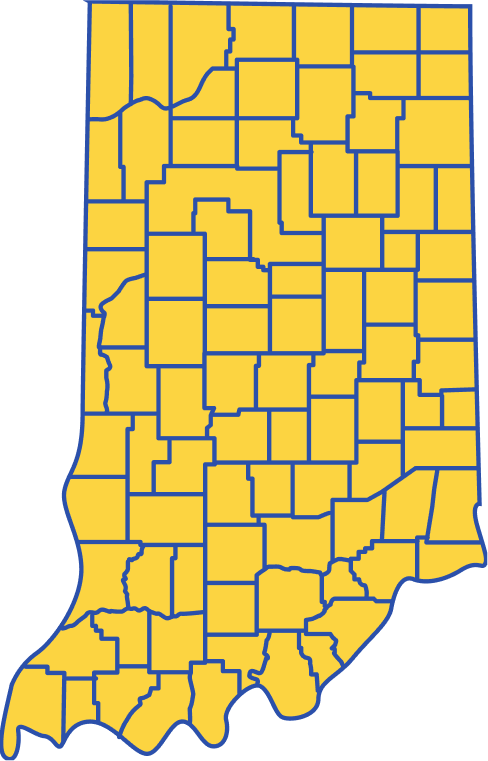
Primecare proudly serves families across Indiana and Georgia. In Indiana, we offer Structured Family Caregiving statewide. In Georgia, we provide Family Caregiving, Personal Support Services (PSS), GAPP Services, and Pediatric Skilled Nursing in both rural and metro areas.
How do I know if home care is the right choice for my loved one?
Can I choose my own caregiver?
What services are included in pediatric care?
How do I get started with Primecare?
Does insurance cover home care services?
Primecare Indiana
What is Structured Family Caregiving (SFC) in Indiana?
Who qualifies for SFC in Indiana?
What is the role of a health coach in SFC?
Health coaches check in regularly to support both the caregiver and the client. They help monitor care, answer questions, make sure the client’s needs are met, and guide families through program requirements. Think of them as a partner walking with you every step of the way.
What does daily caregiving look like in this program?
Can friends or non-relatives serve as caregivers?
Yes. Certain friends can qualify if they live in the same home. Please note: in Georgia, spouses and legal guardians are not eligible. In Indiana, spouses, guardians, and SSDI individuals may serve as caregivers.